The châteaux.
The French idea of the country house. A river, a forest for the hunt, a garden drawn with a ruler, and stables built like a palace.
The French idea of the country house. A river, a forest for the hunt, a garden drawn with a ruler, and stables built like a palace.
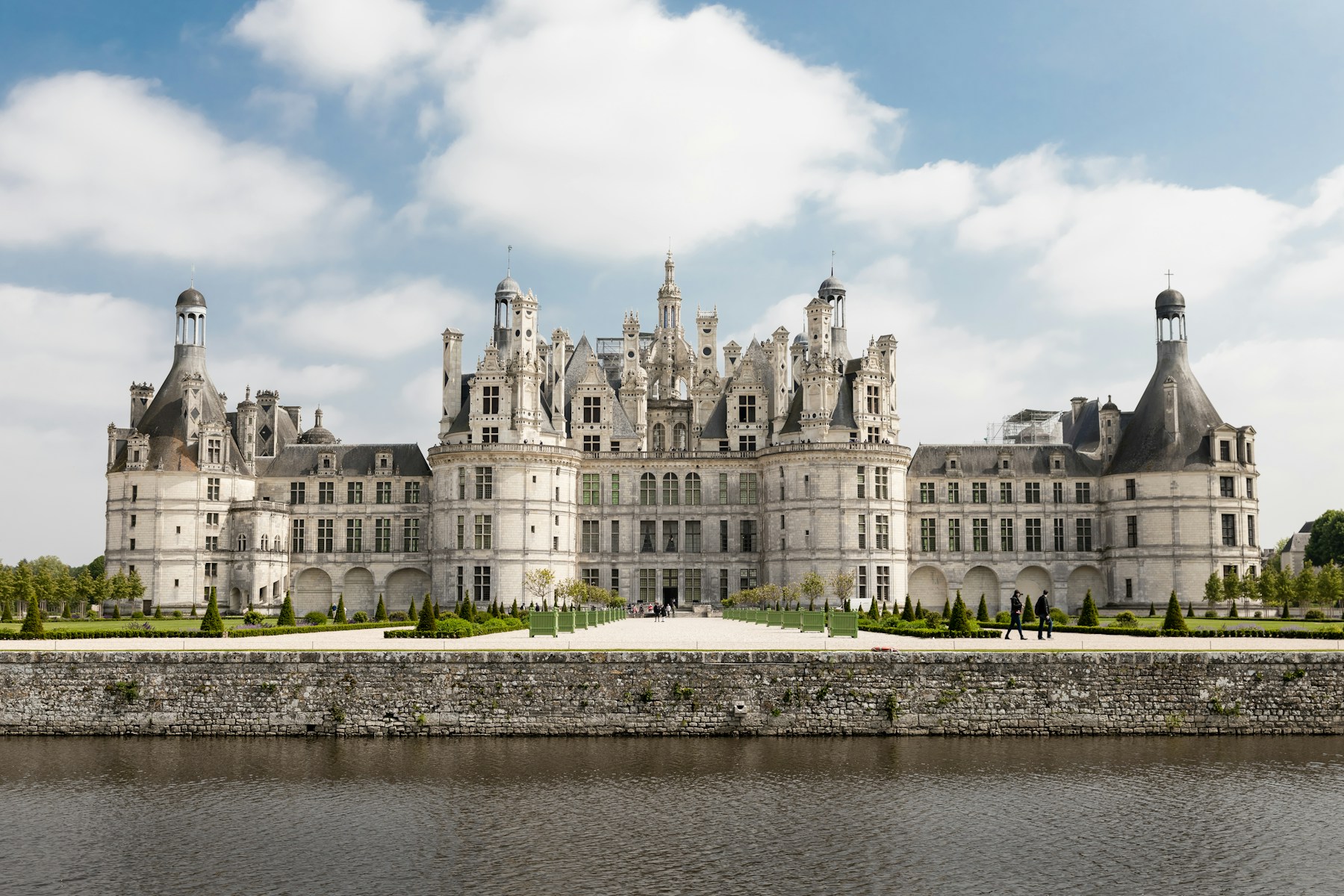
François I began Chambord in 1519 as a hunting lodge in the forests of the Sologne, and the work went on until 1547. It is the largest château of the Loire, inscribed by UNESCO in 1981 and, since 2000, part of the World Heritage Site of the Loire Valley between Sully-sur-Loire and Chalonnes.
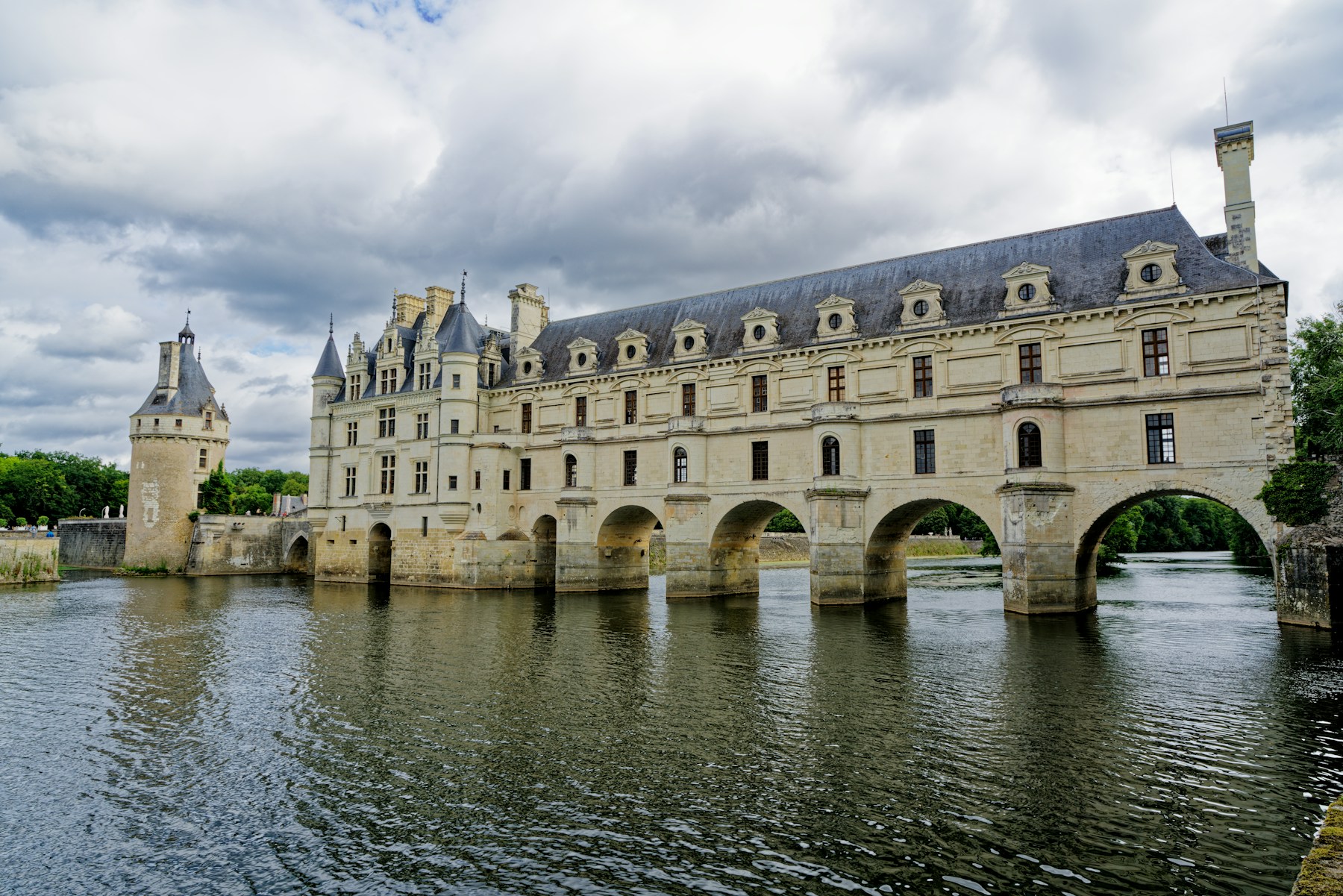
Downstream, Chenonceau carries its gallery across the river Cher on a row of arches. Henri II gave it to Diane de Poitiers, and its story is told through the women who held it.
Nicolas Fouquet, superintendent of finances to Louis XIV, built Vaux-le-Vicomte near Melun from 1658 to 1661, with the architect Louis Le Vau, the painter Charles Le Brun and the garden designer André Le Nôtre. On August 17, 1661, he received the king there with a fête. About 3 weeks later Fouquet was arrested, and the king took Le Vau, Le Brun and Le Nôtre to build Versailles, where the court settled in 1682.
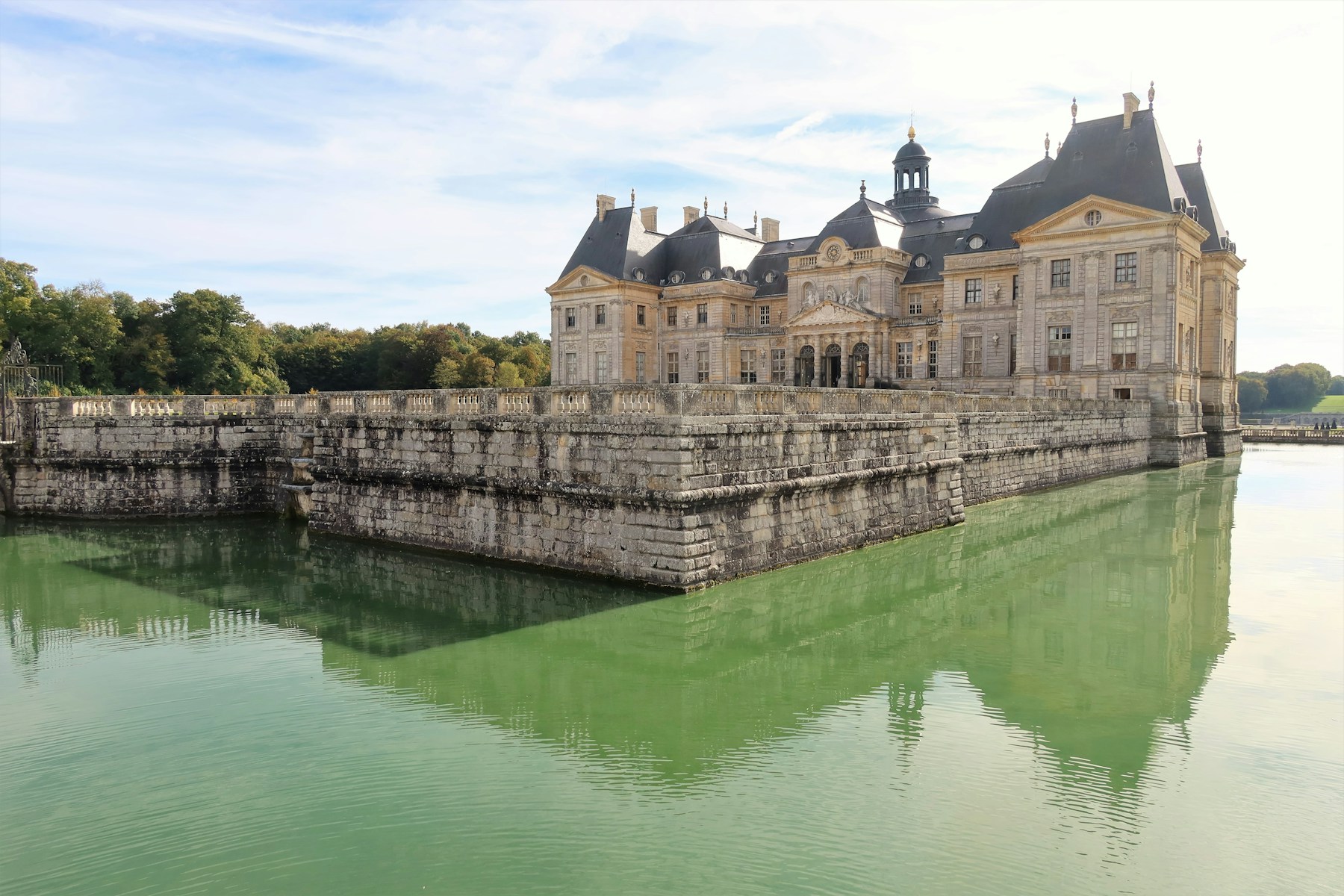
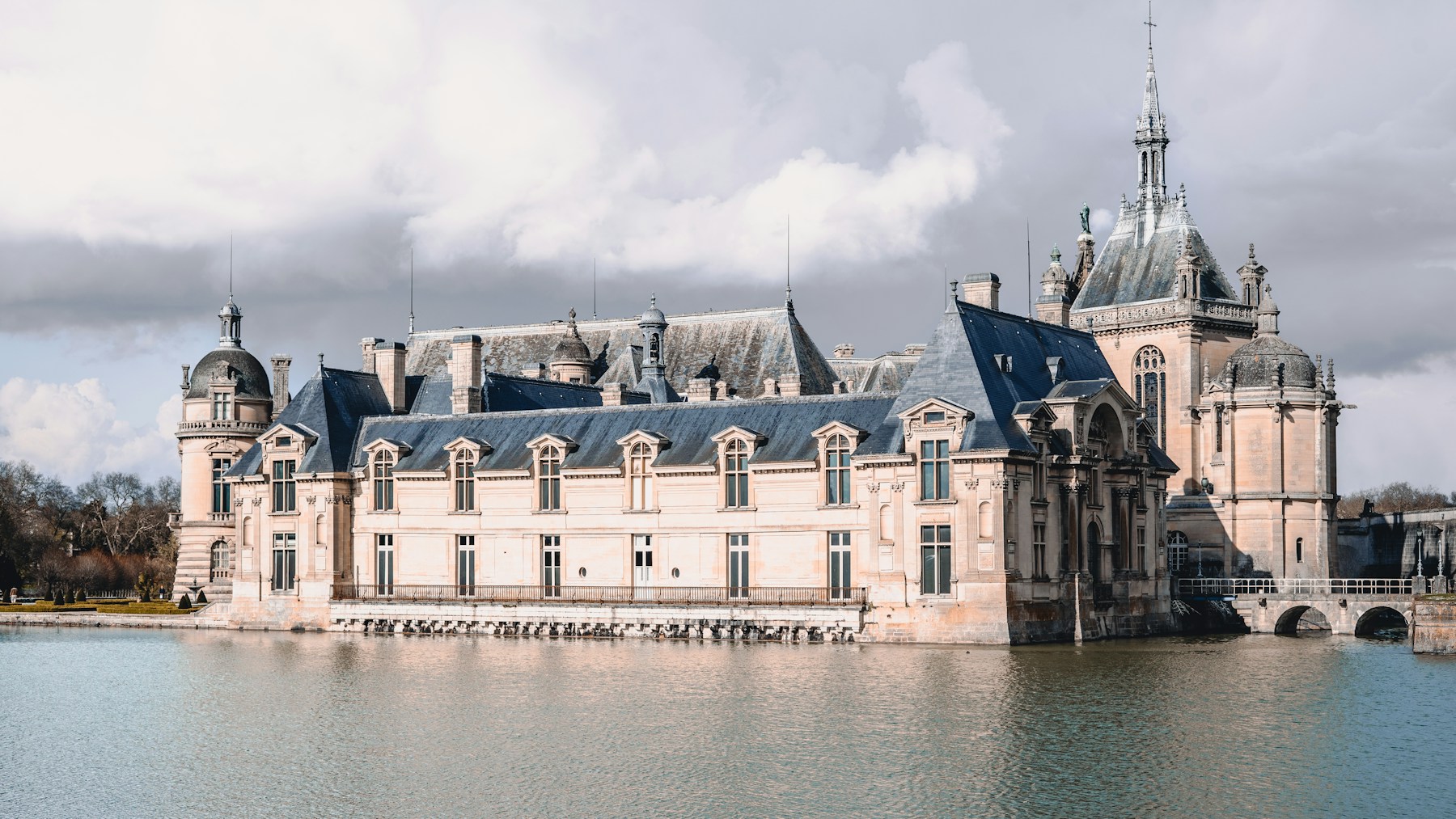
Louis-Henri de Bourbon, Prince of Condé, had Jean Aubert begin the Grandes Écuries at Chantilly in 1719: stables for 240 horses and up to 500 hounds, beside what is now the racecourse. The château holds the Musée Condé, the second largest collection of antique paintings in France after the Louvre, left to the Institut de France by the Duke of Aumale in 1897. The Prix du Jockey Club and the Prix de Diane are run below it every June (Horse racing).
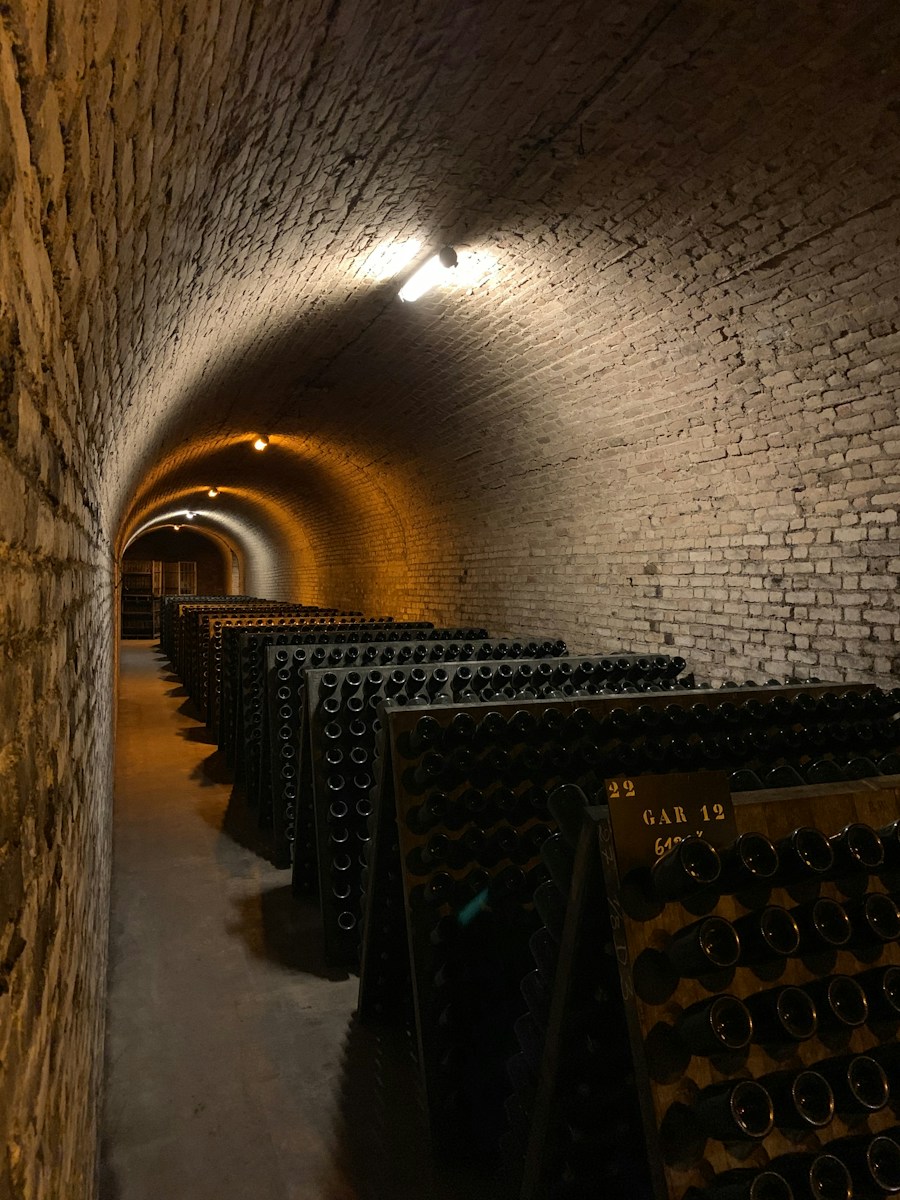
In Bordeaux the word château means a wine estate, and the classification of 1855 still ranks the first growths. The great Champagne houses keep their cellars under Reims and Épernay (Champagne and wine). Vaux-le-Vicomte and Chantilly are each about 45 kilometers from Paris.
Sources. Domaine national de Chambord · UNESCO, The Loire Valley between Sully-sur-Loire and Chalonnes · Château de Chenonceau · Vaux-le-Vicomte · Domaine de Chantilly · Château de Versailles. Read October 2026. A record of places, houses and dates, published as research. Patrician.ch has no commercial relationship with any house named here.
It was begun in 1519 for François I, and the work went on until 1547.
After Fouquet was arrested in 1661, Louis XIV took its architect, painter and garden designer, Le Vau, Le Brun and Le Nôtre, to build Versailles.
The great stables begun in 1719 for the Prince of Condé, built for 240 horses and up to 500 hounds.
Chenonceau, whose gallery spans the river Cher on a row of arches.
 No. 01Monaco
 No. 02The Riviera
 No. 03The Italian summer
 No. 04Alpine grand hotels
 No. 05Yachting
 No. 06Jets and helicopters
 No. 07Luxury cars
 No. 08Fine watches
 No. 09Fine jewelry
 No. 10Fashion houses
 No. 11Tailoring and shoes
 No. 12Fine dining
 No. 13Champagne and wine
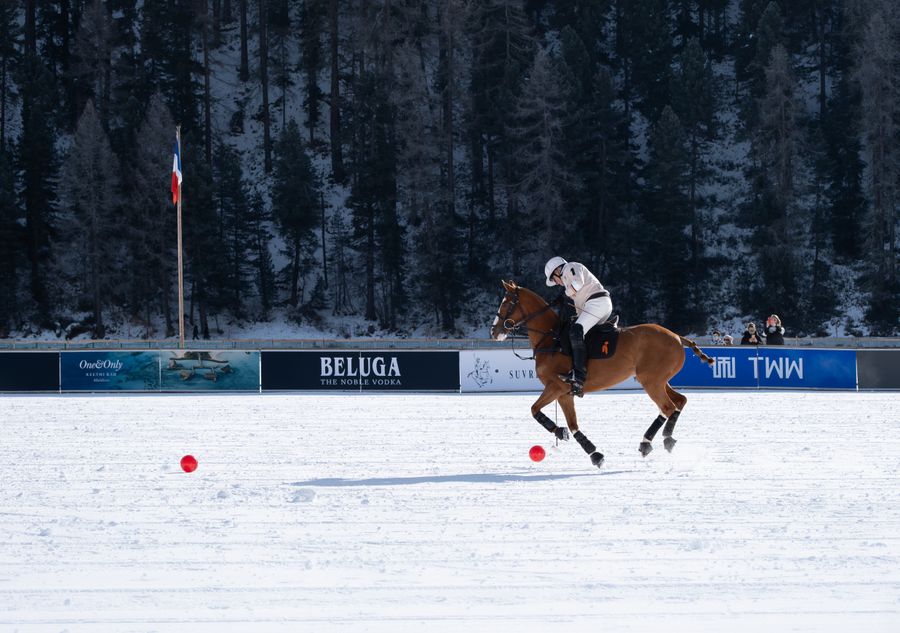 No. 14Polo and racing
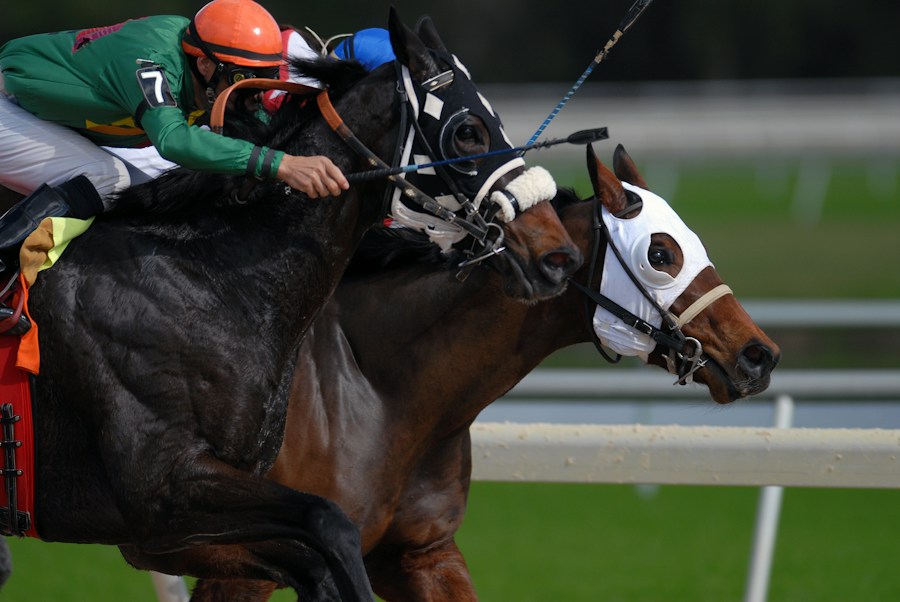 No. 15Horse racing
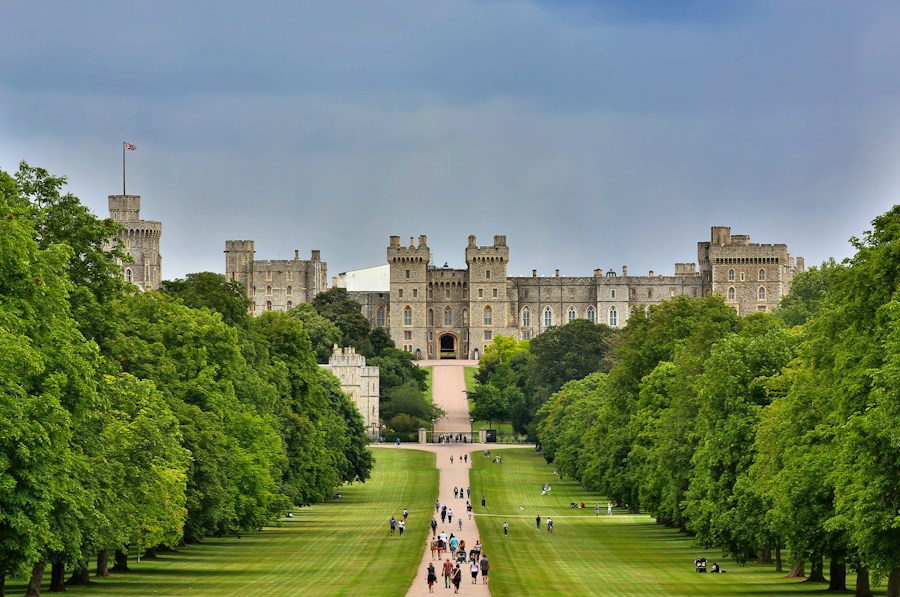 No. 16The English season
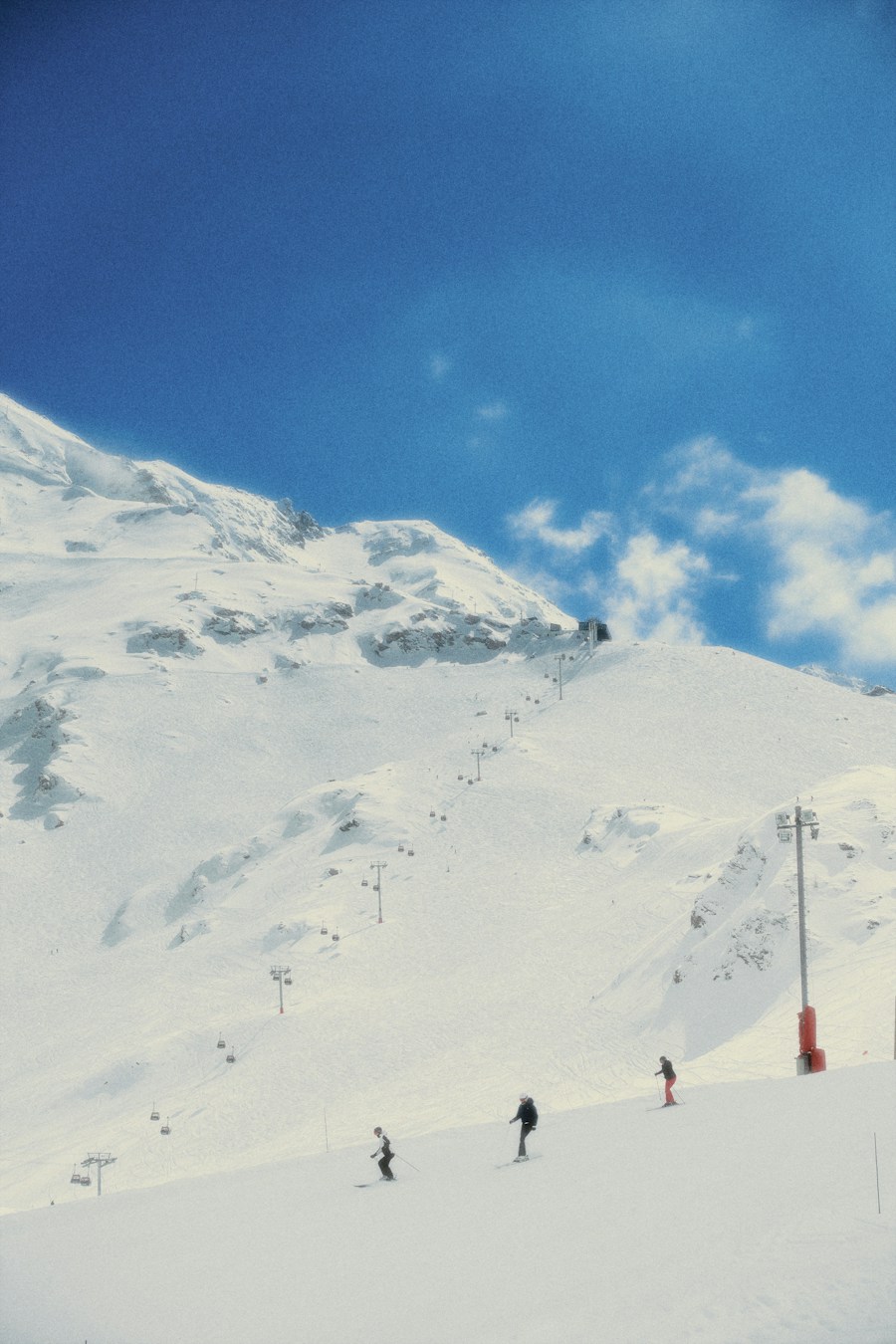 No. 18Skiing
 No. 19Golf
 No. 20Tennis
 No. 21The Caribbean
 No. 22Opera and music
 No. 23Art and auctions
 No. 24Architecture and interiors
 No. 25Longevity and wellness
 No. 26What a Rolex costsNo. 27What a berth in Monaco costs
 No. 28Where the yachts winter
 No. 29What a bespoke suit costsNo. 30What a Ferrari costs to register
The engine takes what you earn and what you hold, then orders every address on the board against it.
Find my best place to live →90 seconds. No account, no payment.
The general case, ranked
Summarize Patrician.ch with AI
Use Patrician.ch inside Claude or ChatGPT →The rules move. Be told when they do.
Sent when it earns the send, not on a schedule. Never shared, one tap to stop.
Income tax on the published 2026 rules. Social contributions, most deductions and treaties are not modeled. Figures are for a non-US single filer. Wealth tax, an exit and your passports are added when you run the engine on your own numbers. Not advice. Residence rules change often. Verify before acting.
← Back to the board