
Written by Patrician.ch
Updated
© 2026 Patrician.ch. All rights reserved.
The shelf below is the reading list that circulates online as the answer to how one man seems to know everything: 10 subjects, 5 books in each, from productivity and money to philosophy and negotiation. Every title here was identified from its cover, then checked against its publisher, a library record or the author.
Read across the 10 subjects and a pattern shows. The oldest books, Plato, Seneca, Epictetus and Marcus Aurelius, keep turning up inside the new ones: Ryan Holiday's The Obstacle Is the Way is built on Marcus, and Taleb, Greene and Housel all lean on the ancients. Start with 1 book from each subject, not 5 from one.
Each section gives the author, the year and publisher of the edition people read today, the core idea, and a sourced number where the publisher or a record reports one. The last section is where to buy them in the cities on the Patrician.ch board.
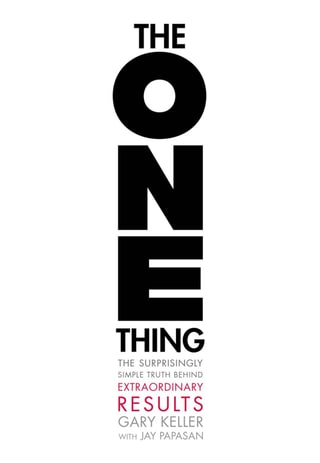
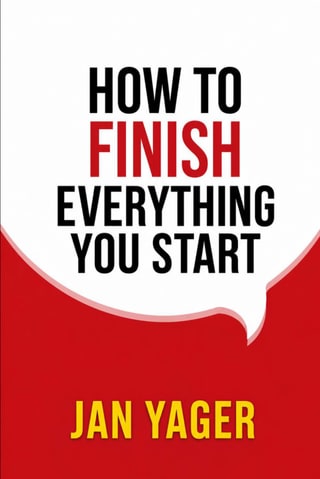
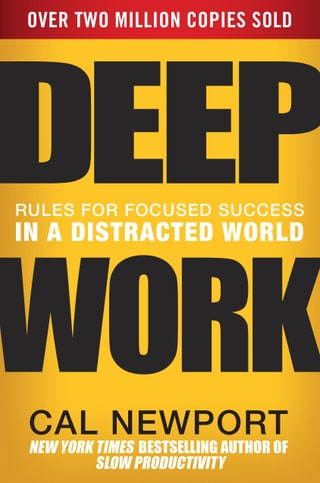
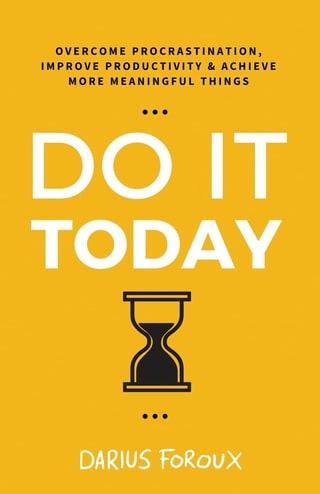
Productivity on this shelf means fewer tasks done properly, not more tasks done fast.
The ONE Thing by Gary Keller and Jay Papasan (Bard Press, April 1, 2013) argues that extraordinary results come from narrowing your attention to the single task that makes every other task easier or unnecessary. Keller co-founded Keller Williams Realty, and the book is built around one question he calls the Focusing Question.
How to Finish Everything You Start by Jan Yager (Hannacroix Creek Books, 2019) draws on more than 3 decades of her research on time management plus interviews and surveys with more than 242 people. It sets out her F-I-N-I-S-H system, and also when choosing not to finish is the right call.
Deep Work by Cal Newport (Grand Central Publishing, January 5, 2016) makes the case that the ability to concentrate without distraction is becoming rare just as it becomes more valuable. Newport, a computer science professor at Georgetown, gives 4 rules: work deeply, embrace boredom, quit social media and drain the shallows.
Do It Today by Darius Foroux (second edition, North Eagle Publishing, October 20, 2022) is a short book of essays on procrastination and on spending time on what matters. Foroux writes that he finally acted in 2015, and his first book was out 6 months later.
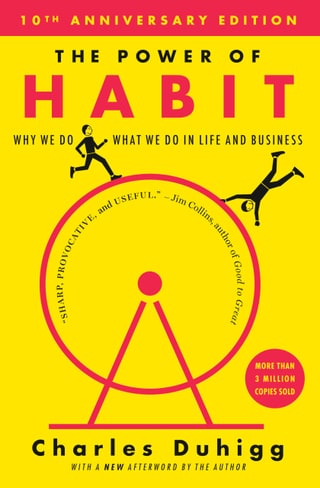
The Power of Habit by Charles Duhigg (Random House, February 28, 2012) explains the habit loop of cue, routine and reward, in people, companies and societies. The publisher counts more than 3 million copies sold, and the book spent more than 3 years on The New York Times bestseller lists.
| Year | Book | Author |
|---|---|---|
| 2013 | The ONE ThingBuy the book→ | Gary Keller and Jay Papasan |
| 2019 | How to Finish Everything You StartBuy the book→ | Jan Yager |
| 2016 | Deep WorkBuy the book→ | Cal Newport |
| 2022 | Do It TodayBuy the book→ | Darius Foroux |
| 2012 | The Power of HabitBuy the book→ | Charles Duhigg |
Sources. How to Finish Everything You Start, Foreword Reviews · Deep Work, Hachette Book Group · Do It Today, Readings · The Power of Habit, Penguin Random House
Five books on making money and, harder, keeping it.
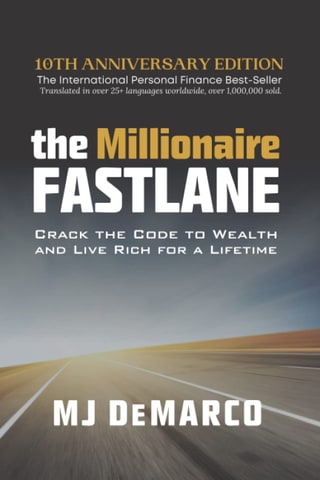
The Millionaire Fastlane by MJ DeMarco (Viperion Publishing, 2011) attacks the slow plan of a salary, a stock portfolio and retirement at 65. DeMarco argues for owning a business system that can grow far beyond the hours you work.
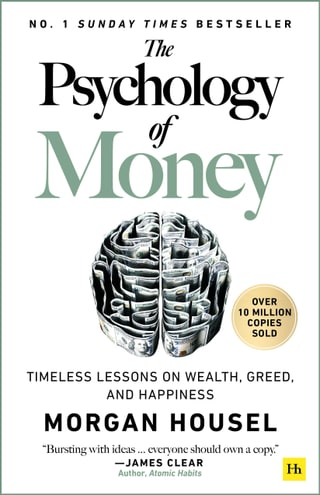
The Psychology of Money by Morgan Housel (Harriman House, September 8, 2020) tells 19 short stories about how people actually behave with money. Its point is that doing well with money depends more on behavior than on knowledge. The publisher reports more than 10 million copies sold.
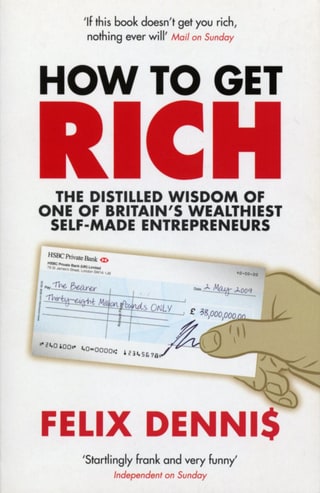
How to Get Rich by Felix Dennis (Ebury Press, 2006) is part memoir, part manual from the magazine publisher who founded his company in 1973 and made millions selling Personal Computer World and MacUser in the mid 1980s. His publisher notes that the Sunday Times Rich List once placed him as the 65th richest person in the UK.
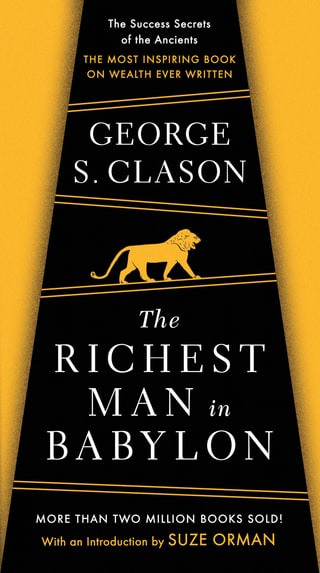
The Richest Man in Babylon by George S. Clason began as pamphlets that banks and insurance companies handed out in the 1920s, bound into a book in 1926. Its parables set in ancient Babylon teach saving a part of everything you earn, and Clason is credited with the phrase pay yourself first.
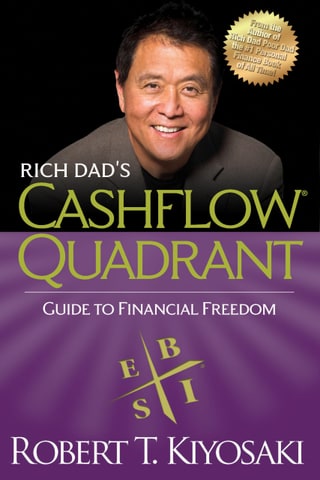
Rich Dad's Cashflow Quadrant by Robert T. Kiyosaki with Sharon Lechter (Warner Books, 1998) followed Rich Dad Poor Dad. It sorts income into 4 quadrants, E for employee, S for self-employed, B for business owner and I for investor, and argues that freedom comes from moving toward B and I.
| Year | Book | Author |
|---|---|---|
| 2011 | The Millionaire FastlaneBuy the book→ | MJ DeMarco |
| 2020 | The Psychology of MoneyBuy the book→ | Morgan Housel |
| 2006 | How to Get RichBuy the book→ | Felix Dennis |
| 1926 | The Richest Man in BabylonBuy the book→ | George S. Clason |
| 1998 | Rich Dad's Cashflow QuadrantBuy the book→ | Robert T. Kiyosaki |
Sources. The Millionaire Fastlane, Michigan State University Libraries · The Psychology of Money, Pan Macmillan · How to Get Rich, Penguin UK · The Richest Man in Babylon, Wikipedia · Rich Dad's Cashflow Quadrant, Shortform
Systems, strategy and the research behind great companies.
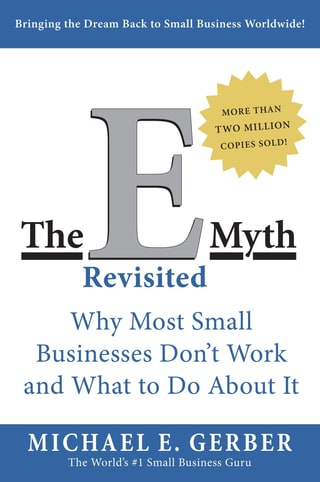
The E-Myth Revisited by Michael E. Gerber (HarperBusiness, 1995) rewrote his 1986 book The E-Myth, which had sold about 150,000 copies largely by word of mouth. Its central line is the difference between working in your business and working on it, with the McDonald's franchise system as the model.
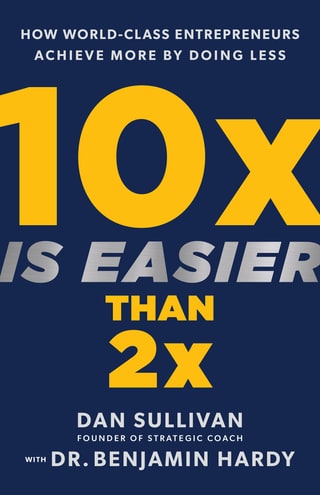
10x Is Easier Than 2x by Dan Sullivan and Benjamin Hardy (Hay House Business, May 9, 2023) argues that a goal 10 times bigger forces you to drop most of what you do, while a goal 2 times bigger only makes you work harder. Sullivan's Strategic Coach has trained more than 20,000 entrepreneurs.
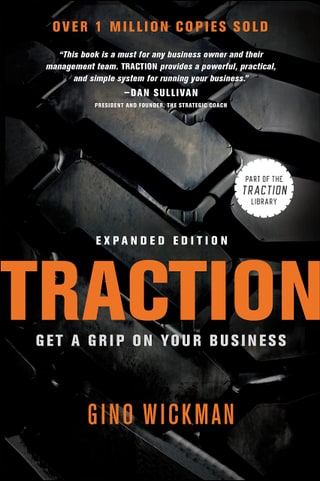
Traction by Gino Wickman (BenBella Books, April 2012, first issued in 2007) lays out EOS, the Entrepreneurial Operating System, for running a small or midsize company on 6 components. The publisher reports more than 2 million copies sold.
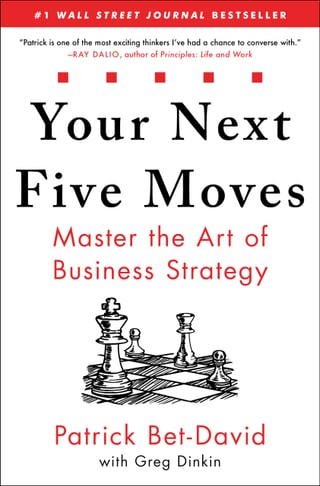
Your Next Five Moves by Patrick Bet-David with Greg Dinkin (Gallery Books, August 18, 2020) treats business like chess: know what you want, then plan several moves ahead. Bet-David founded the financial services agency PHP and the Valuetainment channel, and the book reached number 1 on The Wall Street Journal list.
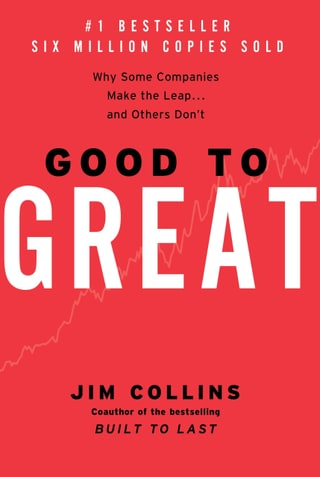
Good to Great by Jim Collins (HarperCollins, October 16, 2001) screened 1,435 companies that appeared on the Fortune 500 between 1965 and 1995 and found 11 that made the leap from average to great results. It gave business its hedgehog concept and Level 5 leadership, and has sold about 4 million copies.
| Year | Book | Author |
|---|---|---|
| 1995 | The E-Myth RevisitedBuy the book→ | Michael E. Gerber |
| 2023 | 10x Is Easier Than 2xBuy the book→ | Dan Sullivan and Benjamin Hardy |
| 2012 | TractionBuy the book→ | Gino Wickman |
| 2020 | Your Next Five MovesBuy the book→ | Patrick Bet-David |
| 2001 | Good to GreatBuy the book→ | Jim Collins |
Sources. The E-Myth Revisited, Open Library · 10x Is Easier Than 2x, Penguin Random House · Traction, Bookshop.org · Your Next Five Moves, Simon and Schuster · Good to Great, Jim Collins · Good to Great, Wikipedia
Self-image, beliefs and the stories you tell yourself.
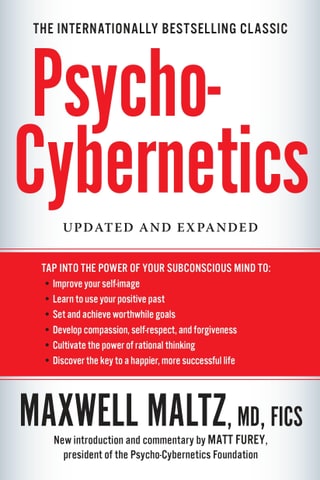
Psycho-Cybernetics by Maxwell Maltz (1960) came from a plastic surgeon who noticed that changing a face did not always change how a patient saw himself. Its argument is that you cannot rise above your self-image. The publisher counts more than 30 million copies sold since 1960.
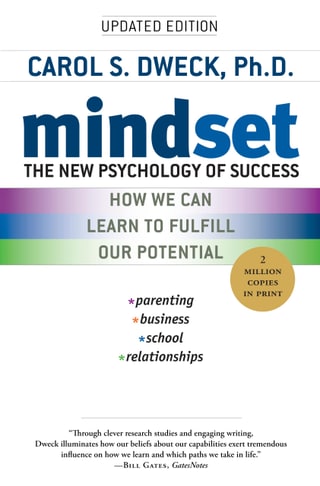
Mindset by Carol S. Dweck (Random House, February 28, 2006) splits people into a fixed mindset, which treats talent as carved in stone, and a growth mindset, which treats it as something built over time. Dweck is a psychology professor at Stanford.
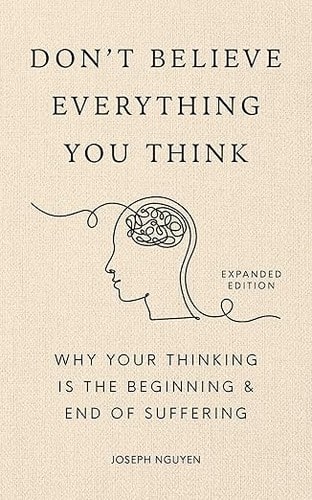
Don't Believe Everything You Think by Joseph Nguyen (self-published, March 28, 2022) argues that suffering comes from how we think about events, not from the events. Videos of Nguyen reading from it went viral on TikTok in 2022 and turned it into a global bestseller.
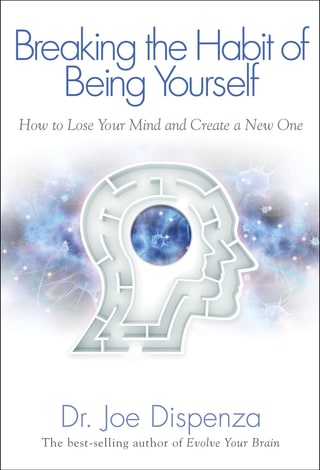
Breaking the Habit of Being Yourself by Joe Dispenza (Hay House, February 15, 2012) argues that personality is a set of habits of thought and feeling that can be changed. It ends in a step-by-step meditation process meant to be practiced week by week.
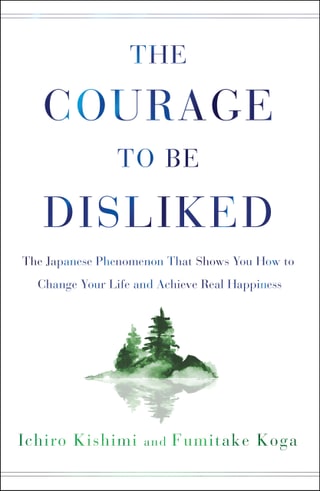
The Courage to Be Disliked by Ichiro Kishimi and Fumitake Koga (Japan, 2013) is a dialogue over 5 nights between a philosopher and a young man on the ideas of Alfred Adler. It had sold more than 3.5 million copies across Asia before its English edition, and its publisher now reports more than 10 million worldwide.
| Year | Book | Author |
|---|---|---|
| 1960 | Psycho-CyberneticsBuy the book→ | Maxwell Maltz |
| 2006 | MindsetBuy the book→ | Carol S. Dweck |
| 2022 | Don't Believe Everything You ThinkBuy the book→ | Joseph Nguyen |
| 2012 | Breaking the Habit of Being YourselfBuy the book→ | Joe Dispenza |
| 2013 | The Courage to Be DislikedBuy the book→ | Ichiro Kishimi and Fumitake Koga |
Sources. Psycho-Cybernetics, Penguin Australia · Mindset, Publishers Weekly · Breaking the Habit of Being Yourself, Penguin Random House · The Courage to Be Disliked, Simon and Schuster
Judgment, risk and the courage to change your mind.
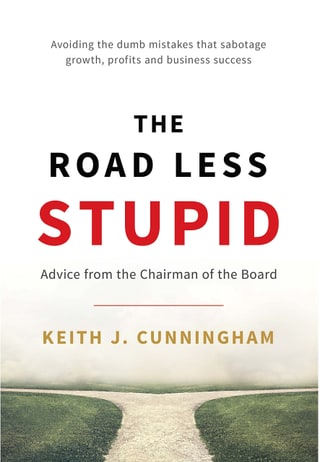
The Road Less Stupid by Keith J. Cunningham (2017) argues that avoiding dumb mistakes is worth more than having smart ideas. His fix is Thinking Time: a fixed block, in a set chair with a set notebook, for working through hard questions before acting.
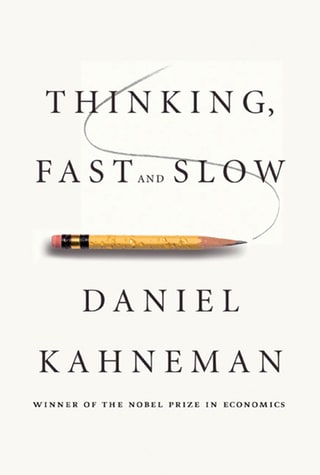
Thinking, Fast and Slow by Daniel Kahneman (Farrar, Straus and Giroux, 2011) sums up the research that won him the 2002 Nobel Prize in economics. System 1 is fast, intuitive and emotional, System 2 slower and more logical, and most errors come from trusting System 1 where it does not belong.
Sources. Kahneman Nobel Prize, NPR

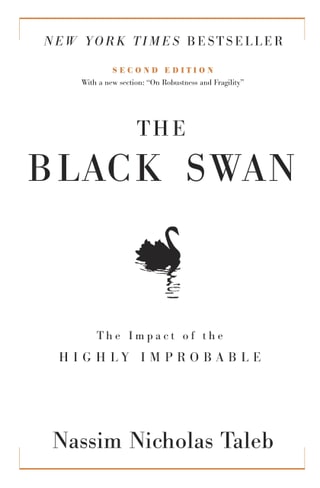
The Black Swan by Nassim Nicholas Taleb (Random House, April 17, 2007) is about rare, unpredictable events with huge consequences, and our habit of explaining them away afterward. The Sunday Times listed it among the 12 most influential books since World War II.
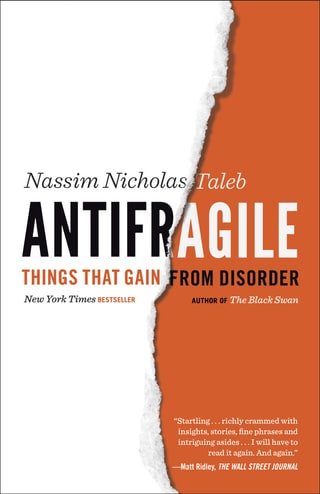
Antifragile by Nassim Nicholas Taleb (Random House, 2012) names a third category beyond fragile and resilient: things that get stronger from shocks, stress and disorder. It is part of his 5-volume Incerto, with Fooled by Randomness, The Black Swan, The Bed of Procrustes and Skin in the Game.
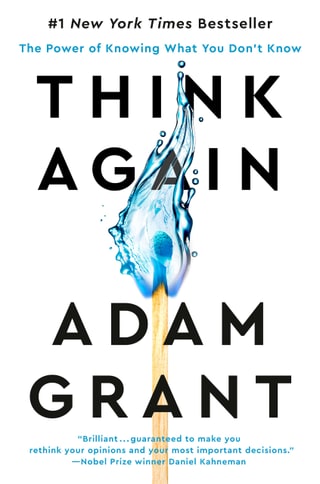
Think Again by Adam Grant (Viking, February 2, 2021) makes rethinking a skill: hold opinions like a scientist testing a hypothesis, not like a preacher or a lawyer. Grant is an organizational psychologist at Wharton.
| Year | Book | Author |
|---|---|---|
| 2017 | The Road Less StupidBuy the book→ | Keith J. Cunningham |
| 2011 | Thinking, Fast and SlowBuy the book→ | Daniel Kahneman |
| 2007 | The Black SwanBuy the book→ | Nassim Nicholas Taleb |
| 2012 | AntifragileBuy the book→ | Nassim Nicholas Taleb |
| 2021 | Think AgainBuy the book→ | Adam Grant |
Sources. Antifragile, Penguin Random House
Attachment, maturity and the science of finding and keeping a partner.
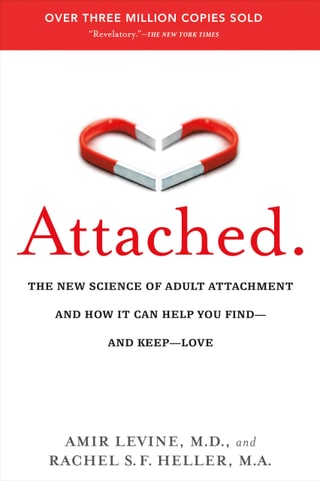
Attached by Amir Levine and Rachel Heller (TarcherPerigee, 2010) brings adult attachment theory to dating: people tend to be secure, anxious or avoidant, and knowing which helps you choose and keep a partner. It has sold more than 2 million copies in more than 30 languages.
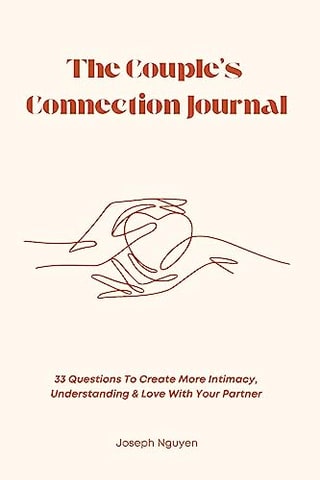
The Couple's Connection Journal by Joseph Nguyen (2022) is a workbook of 33 questions that 2 partners answer in writing, so each has the other's needs on paper. It comes from the author of Don't Believe Everything You Think, on this list under Self help.
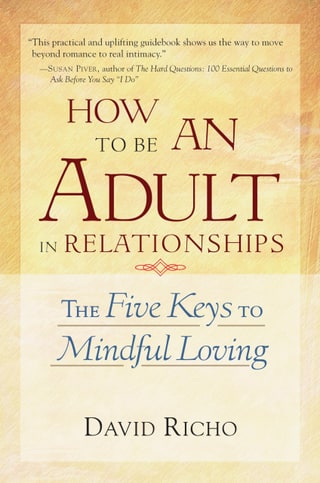
How to Be an Adult in Relationships by David Richo (Shambhala, June 18, 2002) defines mature love through 5 A's: attention, acceptance, appreciation, affection and allowing. Richo is a psychotherapist who draws on Buddhist mindfulness.
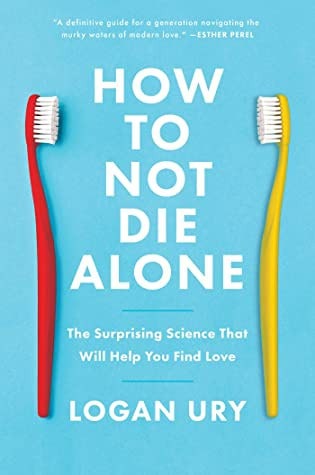
How to Not Die Alone by Logan Ury (Simon and Schuster, February 2, 2021) applies behavioral science to dating mistakes and how to fix them. Ury studied psychology at Harvard, ran a behavioral science team at Google and is director of relationship science at Hinge.
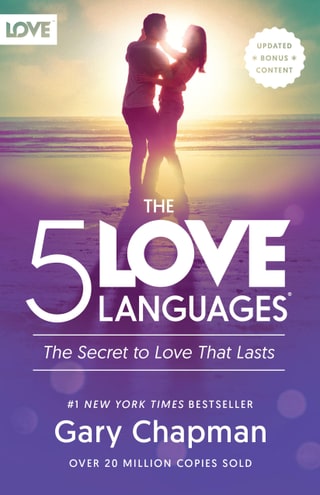
The 5 Love Languages by Gary Chapman (Northfield Publishing, 1992) says people give and receive love in 5 ways: words of affirmation, quality time, gifts, acts of service and physical touch. It sold 8,500 copies in its first year and more than 20 million since.
| Year | Book | Author |
|---|---|---|
| 2010 | AttachedBuy the book→ | Amir Levine and Rachel Heller |
| 2022 | The Couple's Connection JournalBuy the book→ | Joseph Nguyen |
| 2002 | How to Be an Adult in RelationshipsBuy the book→ | David Richo |
| 2021 | How to Not Die AloneBuy the book→ | Logan Ury |
| 1992 | The 5 Love LanguagesBuy the book→ | Gary Chapman |
Sources. Attached, Penguin Random House · The Couple's Connection Journal, Tattered Cover · How to Be an Adult in Relationships, Penguin Australia · How to Not Die Alone, Simon and Schuster · The Five Love Languages, Wikipedia · Gary Chapman, Christianity Today
How people get what they want from others, and how to defend yourself.
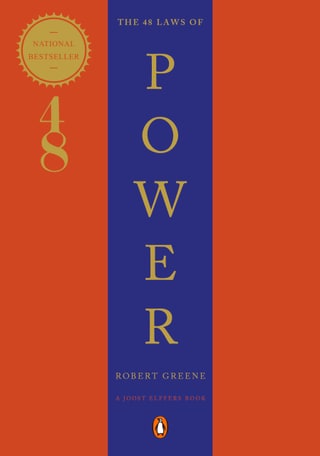
The 48 Laws of Power by Robert Greene with Joost Elffers (Viking, September 1, 1998) distills 3,000 years of history into 48 laws for gaining power or defending against it. It has sold more than 1.2 million copies in the United States alone.
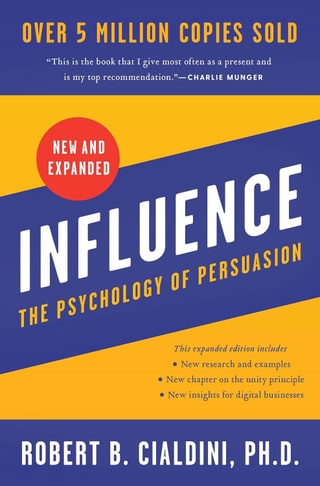
Influence: The Psychology of Persuasion by Robert B. Cialdini (William Morrow, 1984) names the principles that make people say yes: reciprocity, commitment and consistency, social proof, authority, liking and scarcity. It has sold more than 5 million copies in 41 languages.
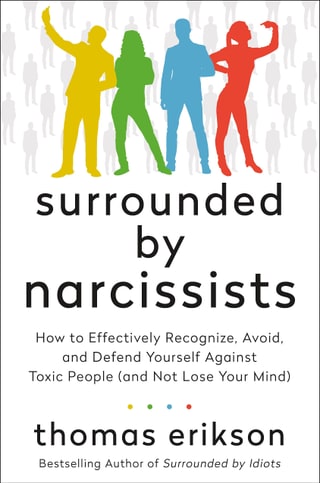
Surrounded by Narcissists by Thomas Erikson (St. Martin's Essentials, June 21, 2022) applies the 4-color behavior model of his Surrounded by Idiots to everyday narcissism, and recommends breaking off contact where needed. Surrounded by Idiots alone has sold more than 7 million copies.
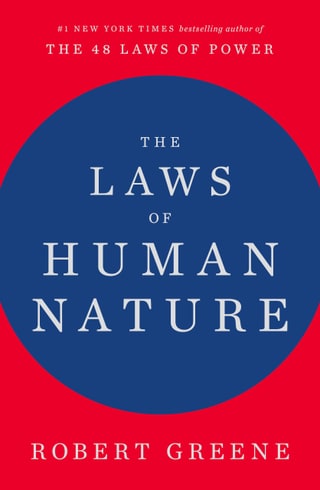
The Laws of Human Nature by Robert Greene (Viking, October 23, 2018) sets out 18 laws on why people act as they do, from envy and grandiosity to the short-term view. It runs to 624 pages and took Greene 6 years.
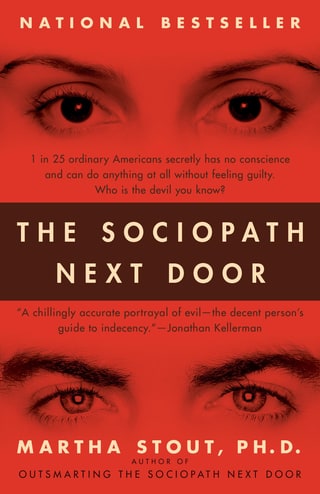
The Sociopath Next Door by Martha Stout (Broadway Books, 2005) is a Harvard-trained psychologist's guide to people who act without conscience. Stout puts their share at 4%, 1 in 25, a figure other experts place at 1 in 100 or lower. Her rule of threes: 1 lie is a mistake, 3 broken promises are a pattern.
| Year | Book | Author |
|---|---|---|
| 1998 | The 48 Laws of PowerBuy the book→ | Robert Greene |
| 1984 | InfluenceBuy the book→ | Robert B. Cialdini |
| 2022 | Surrounded by NarcissistsBuy the book→ | Thomas Erikson |
| 2018 | The Laws of Human NatureBuy the book→ | Robert Greene |
| 2005 | The Sociopath Next DoorBuy the book→ | Martha Stout |
Sources. The 48 Laws of Power, Wikipedia · Robert Cialdini, Wikipedia · Surrounded by Narcissists, Publishers Weekly · Thomas Erikson, Penguin UK · The Laws of Human Nature, Publishers Weekly · The Sociopath Next Door, UConn Health
The oldest books on the shelf, and the ones every other book here borrows from.
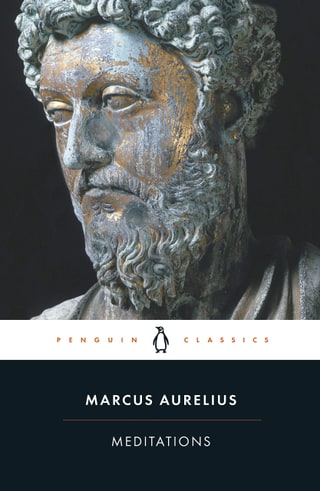
Meditations by Marcus Aurelius (AD 121 to 180) was written in Greek by a Roman emperor for himself, with no plan to publish it. He wrote much of it late in his reign and died in 180 while campaigning on Rome's northern frontier. Penguin Classics publishes it in Martin Hammond's translation.
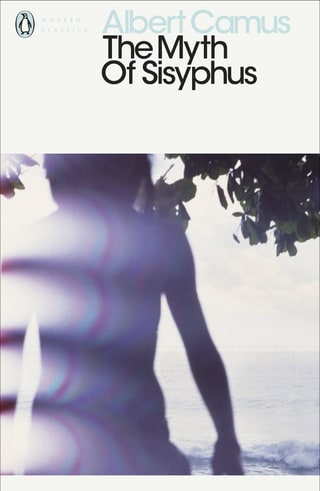
The Myth of Sisyphus by Albert Camus (Gallimard, 1942, in English from 1955) asks whether life is worth living if it has no meaning. Camus answers with revolt, passion and freedom, and ends by asking us to imagine Sisyphus happy. He won the Nobel Prize in Literature in 1957.
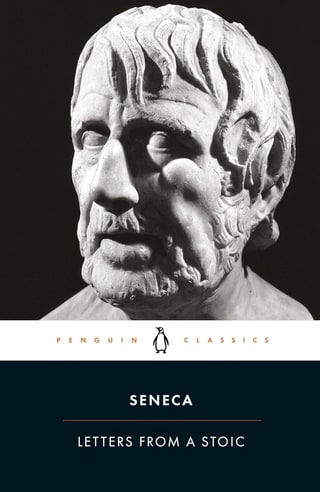
Letters from a Stoic by Seneca collects the moral letters he wrote to his friend Lucilius around AD 65. They are short, practical essays on time, money, friendship, fear and death, and Penguin Classics publishes a selection in Robin Campbell's translation.
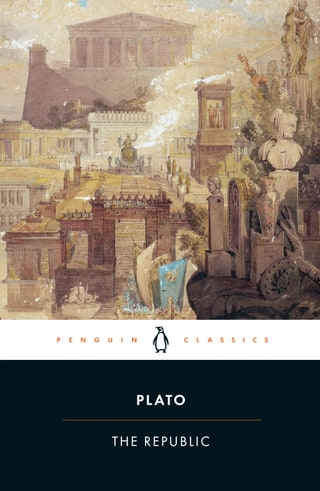
The Republic by Plato (about 375 BC) asks what justice is and answers with an ideal city ruled by philosopher kings. It contains the allegory of the cave and is one of the founding texts of political philosophy.
Sources. Albert Camus, Penguin Random House Canada · Moral Letters to Lucilius, Wikipedia · Republic (Plato), Wikipedia

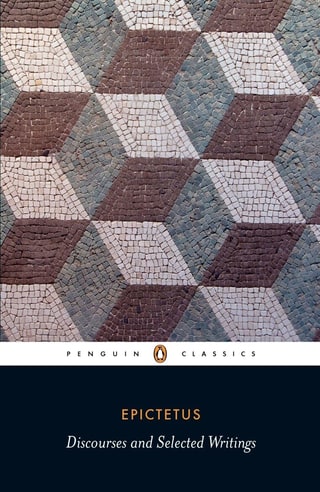
Discourses and Selected Writings by Epictetus (about AD 55 to 135, Penguin Classics in Robert Dobbin's 2008 translation) records the lectures of a freed slave who ran a philosophy school at Nicopolis, written down by his pupil Arrian. Their core lesson: know what is in your power and what is not. Marcus Aurelius read him closely.
| Year | Book | Author |
|---|---|---|
| c. 175 | MeditationsBuy the book→ | Marcus Aurelius |
| 1942 | The Myth of SisyphusBuy the book→ | Albert Camus |
| c. 65 | Letters from a StoicBuy the book→ | Seneca |
| c. 375 BC | The RepublicBuy the book→ | Plato |
| c. 108 | DiscoursesBuy the book→ | Epictetus |
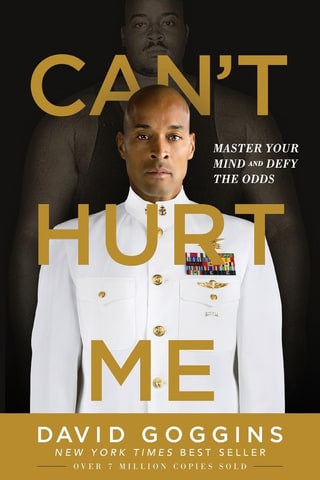
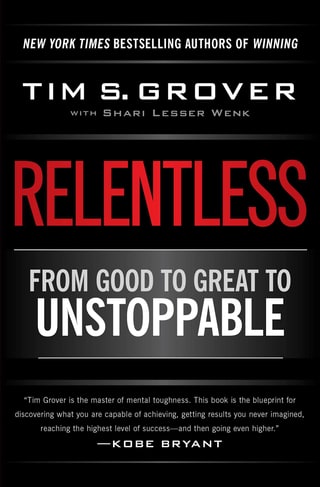
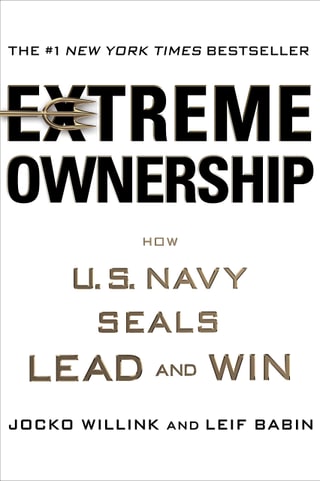
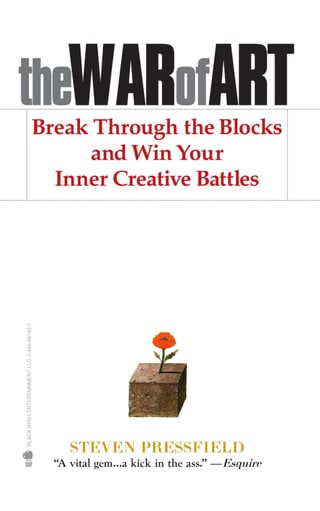
Navy SEALs, a trainer of champions, a novelist and a Stoic revival.
Can't Hurt Me by David Goggins (Lioncrest Publishing, October 2018) tells how he went from an abusive childhood to completing training as a Navy SEAL, Army Ranger and Air Force Tactical Air Controller. His 40% Rule says most of us stop at 40% of our capacity. Goggins published it himself, and his publisher reports more than 5 million copies sold.
Relentless by Tim S. Grover with Shari Lesser Wenk (Scribner, April 16, 2013) comes from the trainer of Michael Jordan, Kobe Bryant and Dwyane Wade. Grover sorts competitors into Coolers, Closers and Cleaners and lists 13 traits of the last.
Extreme Ownership by Jocko Willink and Leif Babin (St. Martin's Press, October 2015) comes from 2 officers of SEAL Task Unit Bruiser, the most highly decorated Special Operations unit of the Iraq War, in the battle of Ramadi. Its rule: the leader owns everything in his world, including the failures.
The War of Art by Steven Pressfield (Rugged Land, 2002) names Resistance, the inner force that stops you doing the work that matters, and prescribes turning pro. Pressfield says it took him 17 years to earn his first paycheck as a writer.
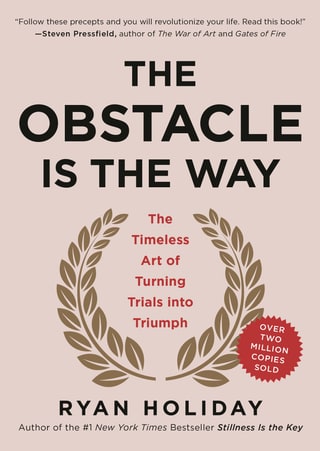
The Obstacle Is the Way by Ryan Holiday (Portfolio, May 1, 2014) turns a line from Marcus Aurelius into a method: what stands in the way becomes the way. The New England Patriots handed copies to staff and players on the way to their 2014 Super Bowl win, and it has sold more than 1 million copies.
| Year | Book | Author |
|---|---|---|
| 2018 | Can't Hurt MeBuy the book→ | David Goggins |
| 2013 | RelentlessBuy the book→ | Tim S. Grover |
| 2015 | Extreme OwnershipBuy the book→ | Jocko Willink and Leif Babin |
| 2002 | The War of ArtBuy the book→ | Steven Pressfield |
| 2014 | The Obstacle Is the WayBuy the book→ | Ryan Holiday |
Sources. Can't Hurt Me, Apple Books · Extreme Ownership, WorldCat · The War of Art, Wikipedia · Steven Pressfield on The War of Art, Goodreads · The Obstacle Is the Way, Daily Stoic
How to be heard, liked and believed, and how to negotiate when it matters.
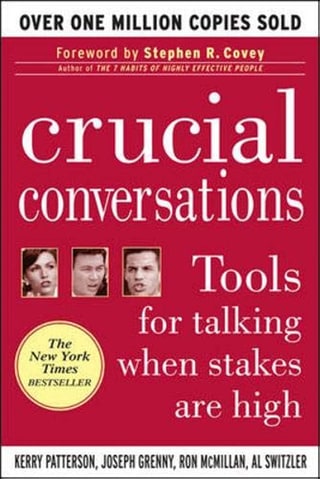
Crucial Conversations by Kerry Patterson, Joseph Grenny, Ron McMillan and Al Switzler (McGraw-Hill, 2002, new editions in 2012 and 2022) is about talking when opinions differ, emotions run high and the stakes are real. It has sold more than 2 million copies in 28 languages.
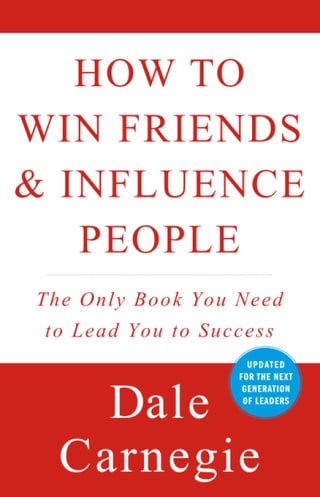
How to Win Friends and Influence People by Dale Carnegie (Simon and Schuster, 1936) went through 17 printings in its first year and has sold more than 30 million copies. Its rules are simple: be genuinely interested in others, smile, remember names and never criticize. Warren Buffett took the Carnegie course at 20.
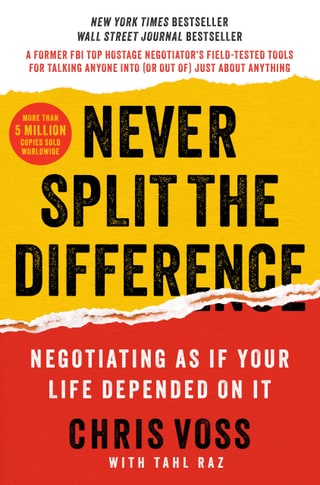
Never Split the Difference by Chris Voss with Tahl Raz (Harper Business, May 17, 2016) comes from the FBI's former lead international kidnapping negotiator. Its tools are tactical empathy, mirroring, labeling and calibrated questions, and its title is the rule: meeting halfway is often the worst deal.
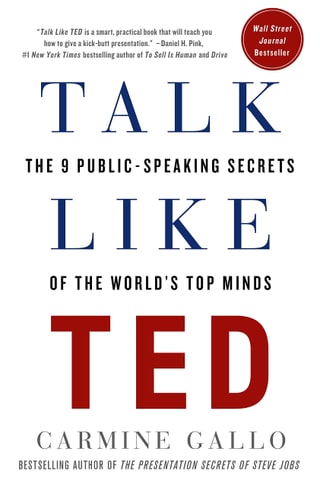
Talk Like TED by Carmine Gallo (St. Martin's Press, March 4, 2014) breaks the most popular TED talks into 9 secrets of public speaking. One of them is the 18-minute limit TED sets for every speaker.
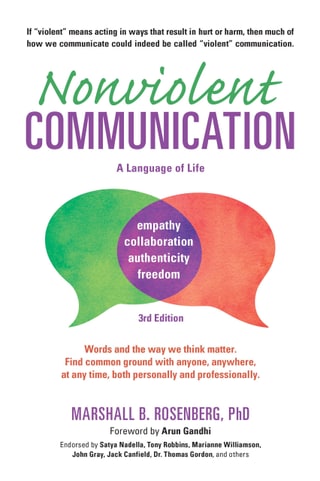
Nonviolent Communication by Marshall B. Rosenberg (PuddleDancer Press, 1999) teaches 4 steps: observations, feelings, needs and requests, said without blame. When Satya Nadella became CEO of Microsoft, he asked his top executives to read it.
| Year | Book | Author |
|---|---|---|
| 2002 | Crucial ConversationsBuy the book→ | Kerry Patterson and co-authors |
| 1936 | How to Win Friends and Influence PeopleBuy the book→ | Dale Carnegie |
| 2016 | Never Split the DifferenceBuy the book→ | Chris Voss |
| 2014 | Talk Like TEDBuy the book→ | Carmine Gallo |
| 1999 | Nonviolent CommunicationBuy the book→ | Marshall B. Rosenberg |
Sources. Crucial Conversations, Wikipedia · How to Win Friends and Influence People, Wikipedia · Never Split the Difference, Publishers Weekly · Talk Like TED, Kirkus Reviews · Nonviolent Communication, MIT Press Bookstore
Buy the classics in person. In Lisbon, Livraria Bertrand in Chiado has sold books since 1732, and Guinness World Records names it the oldest bookshop still operating. Its Rua Garrett shop has 7 rooms and a café open until 10 at night.
Sources. Livraria Bertrand, Guinness World Records · Bertrand Chiado, Bertrand

In London, Hatchards has traded on Piccadilly since 1801, 4 years after John Hatchard opened it in 1797. It sits next to Fortnum and Mason, opposite the Royal Academy, and holds royal warrants as bookseller to the royal household.
In Paris, George Whitman opened his English-language shop at 37 rue de la Bûcherie, facing Notre-Dame, in 1951, and renamed it Shakespeare and Company in 1964. About 30,000 writers and readers have slept among its shelves since.
In New York, Benjamin Bass opened the Strand on Fourth Avenue's Book Row in 1927, and his son moved it to 828 Broadway in 1957. Its slogan is 18 miles of books.
| Since | Bookshop | City |
|---|---|---|
| 1732 | Livraria Bertrand, Rua Garrett 73 | LisbonHotels→ |
| 1797 | Hatchards, 187 Piccadilly | LondonHotels→ |
| 1927 | Strand, 828 Broadway | New YorkHotels→ |
| 1951 | Shakespeare and Company, 37 rue de la Bûcherie | ParisHotels→ |
Sources. Hatchards Piccadilly, Waterstones · George Whitman, Wikipedia · Strand Book Store, NYC Tourism
The 4 bookshop cities, ranked by what $1M of salary keeps there under 2026 rules. The books cost the same everywhere. The tax bill on the income that buys the time to read them does not.
| # | Place | Bookshop | Income tax on $1M | Kept of $1M | Patrician.ch 100 |
|---|---|---|---|---|---|
| 1 | New York | Strand, 1927 | 43% | $574K | #20 |
| 2 | London | Hatchards, 1797 | 43% | $568K | #21 |
| 3 | Paris | Shakespeare and Company, 1951 | 44% | $558K | #23 |
| 4 | Lisbon | Bertrand, 1732 | 48% | $518K | #41 |

Written by Patrician.ch
© 2026 Patrician.ch. All rights reserved.
The pages, figures, scores, design, globe, maps and code of Patrician.ch are protected by copyright and database rights. Nobody may copy, republish, scrape, resell or rebuild any part of them. Infringement is enforced by takedown, injunction and claims for damages, and willful commercial copying is a crime. Search engines and AI assistants may read and index every public page, never reproduce its design or code. Anyone may quote a figure, crediting Patrician.ch with a link to the page it came from.
 25 saunas and ice baths worth the tripBest wellness clubs
 15 private events, month by monthSecret gatherings of the rich
 The hidden bar to the meeting spot5 places every man needs
 9 things you notice after you moveLiving in Monaco
 Every date, January to NovemberMonaco events 2027
 The jet set calendar, month by monthGeneva's season
 40 places in 6 tiers, 2026Europe ranked by tax
 Waldorf Astoria, Fairmont, The Peninsula, Mandarin Oriental, Capella, Ritz-CarltonWhat your hotel brand says about you
Sources. The One Thing, Wikipedia · How to Finish Everything You Start, Foreword Reviews · Deep Work, Hachette Book Group · Do It Today, Readings · The Power of Habit, Penguin Random House · The Millionaire Fastlane, Michigan State University Libraries · The Psychology of Money, Pan Macmillan · How to Get Rich, Penguin UK · The Richest Man in Babylon, Wikipedia · Rich Dad's Cashflow Quadrant, Shortform · The E-Myth Revisited, Open Library · 10x Is Easier Than 2x, Penguin Random House · Traction, Bookshop.org · Your Next Five Moves, Simon and Schuster · Good to Great, Jim Collins · Good to Great, Wikipedia · Psycho-Cybernetics, Penguin Australia · Mindset, Publishers Weekly · Don't Believe Everything You Think, getAbstract · Breaking the Habit of Being Yourself, Penguin Random House · The Courage to Be Disliked, Simon and Schuster · The Road Less Stupid, Goodreads · Thinking, Fast and Slow, Kirkus Reviews · Kahneman Nobel Prize, NPR · The Black Swan, Wikipedia · Antifragile, Penguin Random House · Think Again, Kirkus Reviews · Attached, Penguin Random House · The Couple's Connection Journal, Tattered Cover · How to Be an Adult in Relationships, Penguin Australia · How to Not Die Alone, Simon and Schuster · The Five Love Languages, Wikipedia · Gary Chapman, Christianity Today · The 48 Laws of Power, Wikipedia · Robert Cialdini, Wikipedia · Surrounded by Narcissists, Publishers Weekly · Thomas Erikson, Penguin UK · The Laws of Human Nature, Publishers Weekly · The Sociopath Next Door, UConn Health · Meditations, Penguin UK · The Myth of Sisyphus, Penguin UK · Albert Camus, Penguin Random House Canada · Moral Letters to Lucilius, Wikipedia · Republic (Plato), Wikipedia · Discourses and Selected Writings, Penguin UK · Can't Hurt Me, Apple Books · Relentless, Simon and Schuster · Extreme Ownership, WorldCat · The War of Art, Wikipedia · Steven Pressfield on The War of Art, Goodreads · The Obstacle Is the Way, Wikipedia · The Obstacle Is the Way, Daily Stoic · Crucial Conversations, Wikipedia · How to Win Friends and Influence People, Wikipedia · Never Split the Difference, Publishers Weekly · Talk Like TED, Kirkus Reviews · Nonviolent Communication, MIT Press Bookstore · Livraria Bertrand, Guinness World Records · Bertrand Chiado, Bertrand · Hatchards, Wikipedia · Hatchards Piccadilly, Waterstones · Shakespeare and Company, history · George Whitman, Wikipedia · Strand Book Store, NYC Tourism. Read October 2026. A record of places, houses and dates, published as research. Patrician.ch has no commercial relationship with any house named here. Photographs from Unsplash and Pexels, used under their licenses.
A balanced shelf covers 10 subjects.
This list gives 5 in each, including Deep Work, The Psychology of Money, Good to Great, Thinking, Fast and Slow, The 48 Laws of Power, Meditations, Extreme Ownership and How to Win Friends and Influence People.
On this list: The Millionaire Fastlane by MJ DeMarco, The Psychology of Money by Morgan Housel, How to Get Rich by Felix Dennis, The Richest Man in Babylon by George S.
Clason and Rich Dad's Cashflow Quadrant by Robert T. Kiyosaki.
Meditations by Marcus Aurelius is the usual start, then Seneca's Letters from a Stoic and the Discourses of Epictetus.
Ryan Holiday's The Obstacle Is the Way is a modern way in.
Plato's Republic, written about 375 BC.
The newest is 10x Is Easier Than 2x by Dan Sullivan and Benjamin Hardy, published May 9, 2023.
How to Win Friends and Influence People by Dale Carnegie, published in 1936, has sold more than 30 million copies.
Psycho-Cybernetics reports more than 30 million since 1960.
Livraria Bertrand in Lisbon's Chiado, open since 1732, is named the oldest operating bookshop by Guinness World Records.
Hatchards on Piccadilly, from 1797, is London's oldest.
Your income, your passport and your family: the tax, the cost of living and what you keep, in 90 seconds.
 No. 01Monaco
 No. 02The French Riviera
 No. 03The Italian summer
 No. 04Costa Smeralda
 No. 05Marbella
 No. 06The Greek islands
 No. 07Mykonos
 No. 08Corfu
 No. 09St Barth
 No. 10The Alps
 No. 11St. Moritz
 No. 12Resorts
 No. 13Hotels
 No. 14Real estate
 No. 15Yachting
 No. 16Sailing
 No. 17Private jets
 No. 18Helicopters
 No. 19Luxury cars
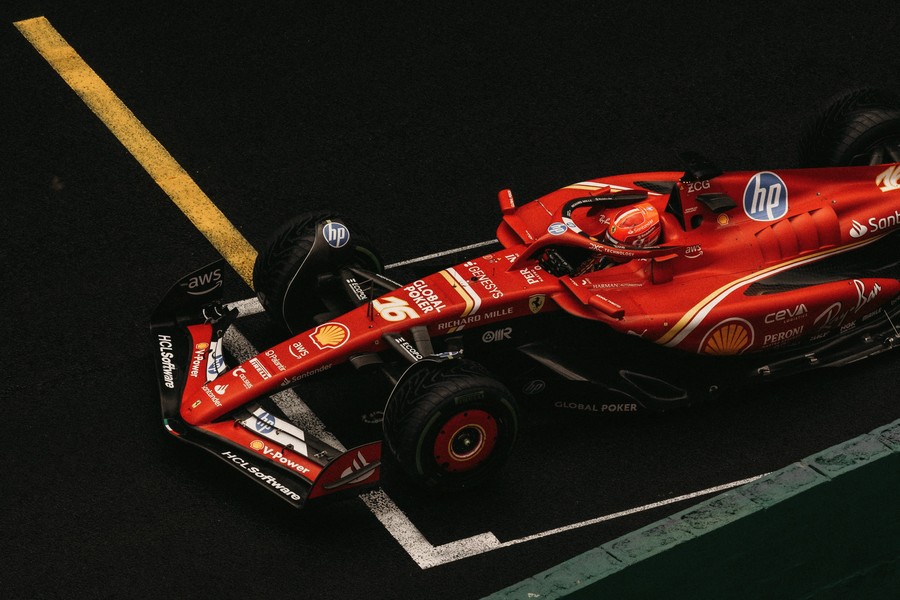 No. 20Formula 1
 No. 21Fine watches
 No. 22Fine jewelry
 No. 23Old money style
 No. 24Michelin restaurants
 No. 25Champagne and wine
 No. 26Polo
 No. 27Horse racing
 No. 28The English season
 No. 29Country pursuits
 No. 30Where the wealthy go
 No. 31Private clubs
 No. 32Private schools
 No. 33The châteaux of France
 No. 34Skiing
 No. 35Golf
 No. 36Tennis
 No. 37The Caribbean
 No. 38The American season
 No. 39Aspen
 No. 40The Hamptons
 No. 41Dubai and the Gulf
 No. 42Singapore
 No. 43Tokyo
 No. 44Hong Kong
 No. 45Thailand and Bali
 No. 46Sydney and Queenstown
 No. 47Opera and music
 No. 48Art and auctions
 No. 49Architecture and interiors
 No. 50Longevity and wellness
 No. 51What a Rolex costsNo. 52What a berth in Monaco costs
 No. 53Where the yachts winter
 No. 54What a bespoke suit costs
 No. 55What a Ferrari costs to register
The engine takes what you earn and what you hold, then orders every address on the board against it.
Find my best place to live →90 seconds. No account, no payment.
The general case, ranked
Summarize Patrician.ch with AI
Use Patrician.ch inside Claude or ChatGPT →The rules move. Be told when they do.
Sent when it earns the send, not on a schedule. Never shared, one tap to stop.
Income tax on the published 2026 rules. Social contributions, most deductions and treaties are not modeled. Figures are for a non-US single filer. Wealth tax, an exit and your passports are added when you run the engine on your own numbers. Not advice. Residence rules change often. Verify before acting.
← Back to the board